
-
LATEST NOTIFICATION :
- For Admission Related Queries Contact 8417000705 or 84170 00708
- Now Admissions are open for 2026-27 session in All UG & PG Courses
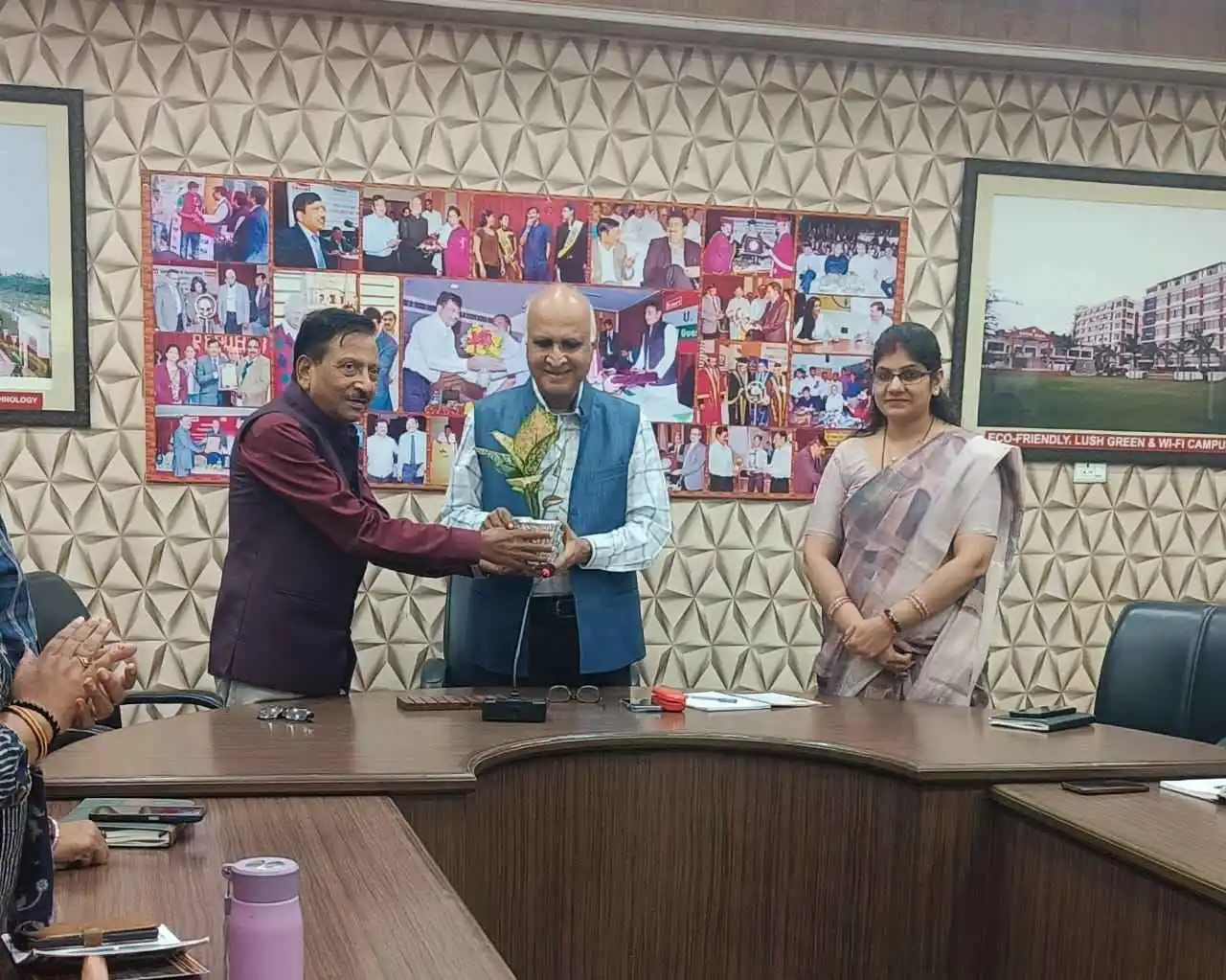
IMRT Business School Marks World Environment Day with Expert Talk by Veteran IFS Officer Shri Rajive Kumar (Retd.)
On the occasion of World Environment Day, IMRT Business School organized a special awareness session featuring Shri Rajive Kumar (Retd.), a distinguished former Indian Forest Service (IFS) officer, as the keynote speaker. The session provided students and faculty members with valuable insights into environmental conservation, sustainable development, and the challenges facing the environment today.
During his address, Shri Rajive Kumar highlighted the growing presence of both information and misinformation related to environmental issues on the internet. He emphasized the importance of verifying facts and relying on credible sources while understanding environmental concerns, as misleading information can create confusion and hinder meaningful action.
Tracing the global history of environmental awareness, he explained that serious international discussions on environmental protection gained momentum with the Stockholm Conference of 1972. The conference marked a significant turning point in recognizing environmental issues as a global concern and laid the foundation for future environmental policies and cooperation among nations.
Shri Kumar also discussed India's environmental framework and the role played by the Supreme Court in strengthening environmental governance. He explained how several environmental regulations and policies were developed following judicial interventions and directions. He further elaborated on the significance of the Directive Principles of State Policy (DPSP) and Fundamental Duties enshrined in the Indian Constitution, which emphasize the responsibility of both the State and citizens towards protecting and improving the natural environment.
Speaking about the corporate sector, he noted that businesses today are becoming increasingly conscious of their environmental responsibilities. Many organizations are adopting sustainable practices and integrating environmental considerations into their long-term strategies.
Addressing the challenges posed by rapid population growth, Shri Kumar pointed out that increasing human demands on natural resources are among the major contributors to environmental degradation. While development is essential for economic progress, he stressed that it must be balanced with environmental sustainability. He encouraged students to adopt the principles of "Reduce, Reuse, and Recycle" in their daily lives and urged society to move away from the "use-and-throw" culture that generates excessive waste and puts additional pressure on the environment.
The interactive session concluded with a lively question-and-answer segment, where students engaged with the speaker on various environmental issues and sought guidance on sustainable practices. The event proved to be both informative and inspiring, encouraging participants to become more responsible citizens and active contributors to environmental protection.
Through this meaningful initiative, IMRT Business School reaffirmed its commitment to promoting environmental awareness and fostering a culture of sustainability among future leaders.